
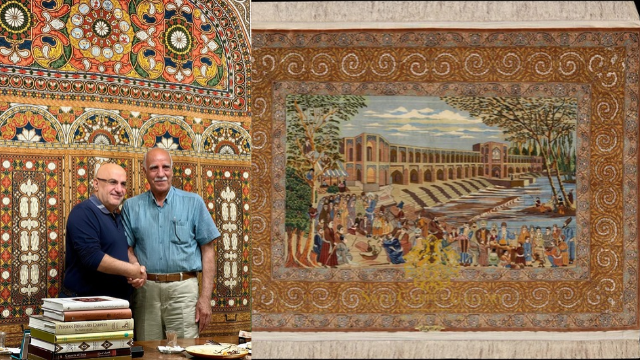
A beautiful Persian carpet does more than cover a floor. It brings colour, character and a sense of history into a room. The intricate patterns, carefully chosen materials and traditional weaving techniques make handmade Persian carpets especially appealing to people who appreciate fine craftsmanship.
Among the names associated with collectible Persian carpet weaving is Shahab Pour, also encountered under spelling variations such as Shahapoor and Shahub Pour.
For collectors, homeowners and interior designers in Thailand, Shahab Pour Persian Carpets offer an interesting introduction to the artistic traditions of Iranian carpet making.
At Safa Carpet Gallery in Bangkok, we believe that understanding the craftsmanship behind a Persian rug makes choosing the right piece more rewarding.
Whether you are decorating a luxury condominium in Sukhumvit, furnishing a family home or exploring Persian carpets as collectible art, this guide explains what to look for when considering a Shahab Pour carpet.
Shahab Pour is a name associated with fine Persian carpet craftsmanship. Specialist carpet listings also reference Ahmad Shahapoor, a maker connected with elaborate handmade carpets from Isfahan, Iran.
Isfahan has long been an important centre of Persian art, architecture and carpet weaving. Its weaving traditions are known for detailed patterns, carefully balanced compositions and the use of skilled hand-knotting techniques.
Persian carpet making has developed over centuries, influenced by regional traditions, decorative arts and the creativity of individual designers.
In Isfahan, the relationship between carpet weaving and classical Persian art is particularly strong.
Floral motifs, architectural details, garden-inspired compositions and intricate borders are common features of the wider Isfahan carpet tradition.
These artistic influences help explain why fine Persian carpets are often appreciated as decorative works rather than simply household furnishings.
Persian names are sometimes written differently when translated into English.
Shahab Pour, Shahub Pour and Shahapoor are spelling forms that may appear in carpet-related searches and descriptions.
However, a similar spelling does not automatically establish that two carpets were produced by the same workshop or designer.
For an important purchase, buyers should request reliable information about the maker, origin and provenance of the individual rug.
A fine Persian carpet is the result of many decisions, from the selection of fibres to the arrangement of its patterns.
Carpets attributed to respected workshops or individual makers deserve careful examination because their artistic and technical qualities may vary from piece to piece.
Traditional hand-knotted carpets are made by tying individual knots around the foundation threads.
As the weaving progresses, the design gradually develops through rows of carefully placed knots.
This process requires patience, experience and close attention to detail.
Depending on the size and complexity of the design, producing a fine handmade carpet can take many months or longer.
Unlike machine-made carpets, hand-knotted rugs may contain small variations that reflect the work of individual artisans.
These details are part of what makes traditional Persian carpets distinctive.
To understand the weaving process in greater detail, explore our guide to Hand-Knotted Persian Rugs.
Fine Persian carpets may be woven using wool, silk or a combination of natural fibres.
Wool provides resilience and a comfortable texture, making it suitable for many living spaces.
Silk can create delicate highlights and allow intricate design details to appear more clearly.
Some fine carpets also use silk foundations, although construction varies between workshops and individual pieces.
When examining a Shahab Pour Persian carpet, consider the quality of the materials, the consistency of the weaving and the overall balance of the design.
Knot density can be useful when comparing carpets of a similar type, but it should never be the only measure of quality.
A well-made carpet should be judged as a complete work.
The design is often the first thing people notice about a Persian carpet.
A carefully composed rug can draw attention without overwhelming a room, bringing together furniture, colours and decorative elements.
Persian carpet designs frequently feature floral arrangements, central medallions, scrolling vines, decorative borders and garden-inspired imagery.
Traditional colour combinations may include deep blue, burgundy, ivory, gold and soft earth tones.
The exact colours and patterns of a Shahab Pour carpet should be assessed individually rather than assumed from the maker’s name.
For example, a carpet with rich red and navy details may create a strong focal point in a spacious living room.
A lighter design with ivory and muted blue tones can work beautifully in a contemporary interior.
Some specialist carpets attributed to Ahmad Shahapoor feature pictorial subjects, including garden and paradise-inspired compositions.
These designs demonstrate how carpet weaving can be used to represent scenes rather than only repeating decorative patterns.
Pictorial rugs may appeal particularly to collectors who enjoy the relationship between Persian textile craftsmanship and traditional visual art.
The subject, weaving quality and documented attribution of each piece should be considered carefully.
When purchasing a handmade Persian rug, authenticity is an important consideration.
This is especially true when the carpet is associated with a recognised maker or workshop.
One of the first things to inspect is the reverse side.
In a hand-knotted Persian carpet, the woven pattern is generally visible on the back.
The individual knots and foundation structure can provide useful clues about how the carpet was made.
Machine-produced rugs often have a more uniform construction, although the differences are not always obvious to an inexperienced buyer.
Some Persian carpets contain woven signatures or inscriptions.
These details can be interesting, but a signature alone does not prove that a particular maker produced the rug.
Documentation, workshop history, previous ownership and specialist assessment may all help establish authenticity.
It is also important to examine the condition of the carpet, including its pile, fringes, edges and any restored areas.
For a more detailed explanation, read our Guide to Identifying Authentic Persian Rugs.
Thailand has a diverse range of interior styles, from contemporary Bangkok condominiums to spacious villas and traditional homes featuring natural wood.
A carefully selected Persian carpet can complement these environments beautifully.
Modern condominiums in areas such as Sukhumvit, Thong Lo, Phrom Phong and Ekkamai often feature neutral interiors, polished flooring and contemporary furniture.
A Persian carpet can add warmth and visual interest to these spaces.
For example, a detailed rug beneath a coffee table can help define the seating area and create a more comfortable atmosphere.
If the room is relatively small, consider a carpet with colours that complement the existing furniture rather than compete with it.
The goal is to create balance.
In a larger home, a Persian carpet can become a central feature of the interior.
Richly patterned carpets work particularly well in living rooms with generous floor space.
A traditional Persian design may also complement teak furniture, marble flooring, upholstered sofas and decorative lighting.
For a formal living room, choose a size that visually connects the main seating pieces.
For a bedroom, a softer colour palette may create a calm and inviting atmosphere.
Before purchasing a Persian carpet, measure the room carefully.
A rug that is too small may make the furniture appear disconnected, while an oversized carpet can dominate the space.
For living rooms, a common approach is to position at least the front legs of the main seating furniture on the rug.
In dining rooms, allow enough space for chairs to remain on the carpet when pulled away from the table.
Taking these measurements before visiting a showroom can make the selection process much easier.
The value of a fine Persian carpet depends on several factors.
A recognised maker’s name may influence collector interest, but it does not guarantee a particular price or future appreciation.
Important considerations include:
Two carpets associated with the same maker may have significantly different values.
For this reason, buyers should compare individual pieces and request detailed information before making a decision.
A well-maintained handmade Persian carpet can provide many years of enjoyment.
Its lasting appeal comes from a combination of useful function, artistic design and traditional craftsmanship.
Rather than purchasing a rug solely as a financial investment, consider how its design and quality will contribute to your home over time.
For many owners, the greatest value is the pleasure of living with a beautifully made carpet.
Bangkok’s warm climate and seasonal humidity make regular carpet maintenance particularly important.
Natural fibres need suitable conditions to remain in good shape.
Avoid placing handmade carpets on persistently damp floors.
Good ventilation and appropriate indoor humidity control can help reduce the risk of moisture-related problems.
If a carpet becomes wet, address the issue promptly rather than allowing moisture to remain trapped beneath it.
Vacuum gently and regularly to remove dust.
Avoid harsh chemicals, aggressive scrubbing and excessive water, especially when caring for fine wool or silk carpets.
Rotating the rug occasionally can help distribute wear and reduce prolonged exposure to sunlight in one area.
For delicate or valuable pieces, professional cleaning by a specialist familiar with handmade Persian rugs is advisable.
Our Persian Rug Care Tips provide additional advice for maintaining carpets in Thailand.
Buying a fine Persian carpet is a personal experience.
Photographs can show the overall design, but viewing a rug in person allows you to appreciate its texture, weaving and colour variations.
At Safa Carpet Gallery, we welcome customers who are interested in learning about traditional Persian carpet craftsmanship.
Our Shahab Pour Persian Carpet Collection introduces this name within our selection of notable Persian carpet makers.
Whether you are an interior designer working on a luxury Bangkok residence or a homeowner searching for an authentic handmade Persian rug, understanding the qualities of each carpet will help you make a more informed choice.
You can also explore our Seirafian Family Persian Rugs to discover another important tradition associated with fine Isfahan carpet weaving.
Please contact Safa Carpet Gallery to confirm current stock, sizes, materials and the provenance of individual carpets.
Shahab Pour is a name featured among Persian carpet makers at Safa Carpet Gallery. Specialist carpet listings also reference Ahmad Shahapoor, associated with fine handmade carpets from Isfahan. The precise attribution of an individual carpet should be verified through documentation.
Fine carpets attributed to Ahmad Shahapoor include handwoven examples. Buyers should inspect the construction and provenance of each carpet rather than relying on a name alone.
Documented examples include wool and silk. Materials vary between individual carpets, so it is best to confirm the composition of the specific rug before purchasing.
Yes. Depending on their size, colours and patterns, fine Persian carpets can complement modern condominiums, villas and traditional homes throughout Bangkok and Thailand.
Prices depend on the size, materials, weaving quality, condition, age, rarity and documented attribution of the individual carpet. Request current pricing and detailed product information from the seller.
You can explore the Shahab Pour collection at Safa Carpet Gallery in Bangkok and contact the showroom for information about individual carpets.
A fine Persian carpet brings together craftsmanship, artistic expression and cultural tradition.
For buyers interested in Shahab Pour Persian Carpets, the most rewarding approach is to look beyond the name and appreciate the details of each individual piece.
From the quality of its weaving to the balance of its design, every element contributes to the character of a handmade carpet.
At Safa Carpet Gallery, we help customers in Bangkok and across Thailand explore the beauty of traditional Persian rugs and find pieces that complement their interiors.
Discover the Shahab Pour Persian Carpet Collection and experience the lasting appeal of authentic Persian craftsmanship.